


A Guide to EV Tire Buying and Maintenance
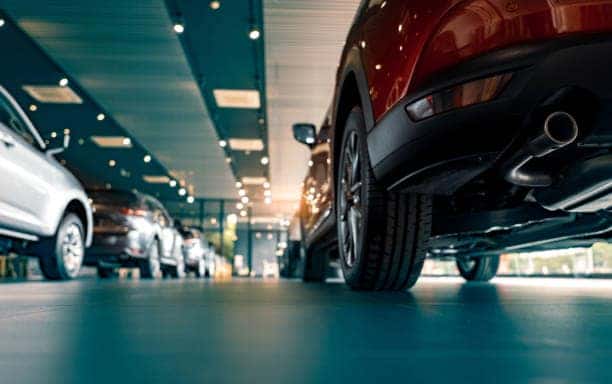
The rise in popularity of electric vehicles can be mostly credited to one key factor: range. Initially, battery limitations posed challenges to perfecting the EV model, constraining the distance one could travel before recharging. But the average range of EVs has significantly increased from its modest beginnings and now spans, on average, between 250 and 500 miles.
As with traditional gas vehicles, countless variables can impact your car’s sustainability. One of the most paramount components when it comes to extending your EV’s range is your tires. When shopping for tires for your EV, it’s important to remember the type of vehicle they were initially designed to support.
In this guide, Billy Wood Honda helps maximize your range by explaining everything you need to know about EV tires.
Switching From Your Original Tires: The Risks
It’s important to keep in mind that the tires initially installed on your electric vehicle were specifically developed considering the unique performance requirements of your car. Electric vehicle manufacturers are well aware of this and design their EV tires to optimize range.
With that being said, every car owner has their own personal preferences when it comes to the accessories for their vehicle. It’s completely acceptable to switch to tires that better match your own tastes. However, it’s important to be mindful of the potential impact on performance that such a change may have.
For example, you might understandably desire tires with better grip to improve performance and braking. However, if you decide against using the tires originally designed for your electric vehicle, you’re exposing your once-quiet car to potential issues like amplified noise – not to mention reduced driving range. On the other hand, if you choose tires with a slower rate of wear to maximize your range, it may negatively impact the overall performance of your electric vehicle.
Finding the perfect balance is definitely achievable. However, no matter which alternates you opt for, straying from your EV’s original tires can lead to unforeseen problems.
Watch Your Tires’ PSI
If you’ve ever had a gas-powered car, you’re likely aware that having tires with low air pressure can result in excessive fuel consumption. The same principle holds true for electric vehicles. Being even a few PSI below the optimal tire pressure can significantly impact your rolling resistance, which plays a vital role in determining how far your EV can go without recharging. This is why low friction tires are often the preferred choice for EVs, as they help reduce rolling resistance, leading to improved range, efficiency, and overall sustainability.
It’s also important to remember that the air pressure in your tires varies more significantly during these colder winter months. Be sure to check the PSI levels of your car at least once per month this winter – and ideally more frequently than that. If you find your PSI levels consistently low, consider a portable tire inflator that you can keep handy at home.
And if issues still arise or persist, make an appointment with our Service Center as soon as you’re able to.
Put a Charge in Your Life
At Billy Wood Honda, we take great pride in our commitment to staying ahead of the curve when it comes to modern ingenuity. Come in today and check out the latest in EVs and hybrids, such as the new 2024 Accord.
Whether you’re looking to join the EV revolution or are interested in another new or pre-owned vehicle, Billy Wood Honda has everything you need to help you roll smoothly into the new year.
0 comment(s) so far on A Guide to EV Tire Buying and Maintenance